
Design drives change
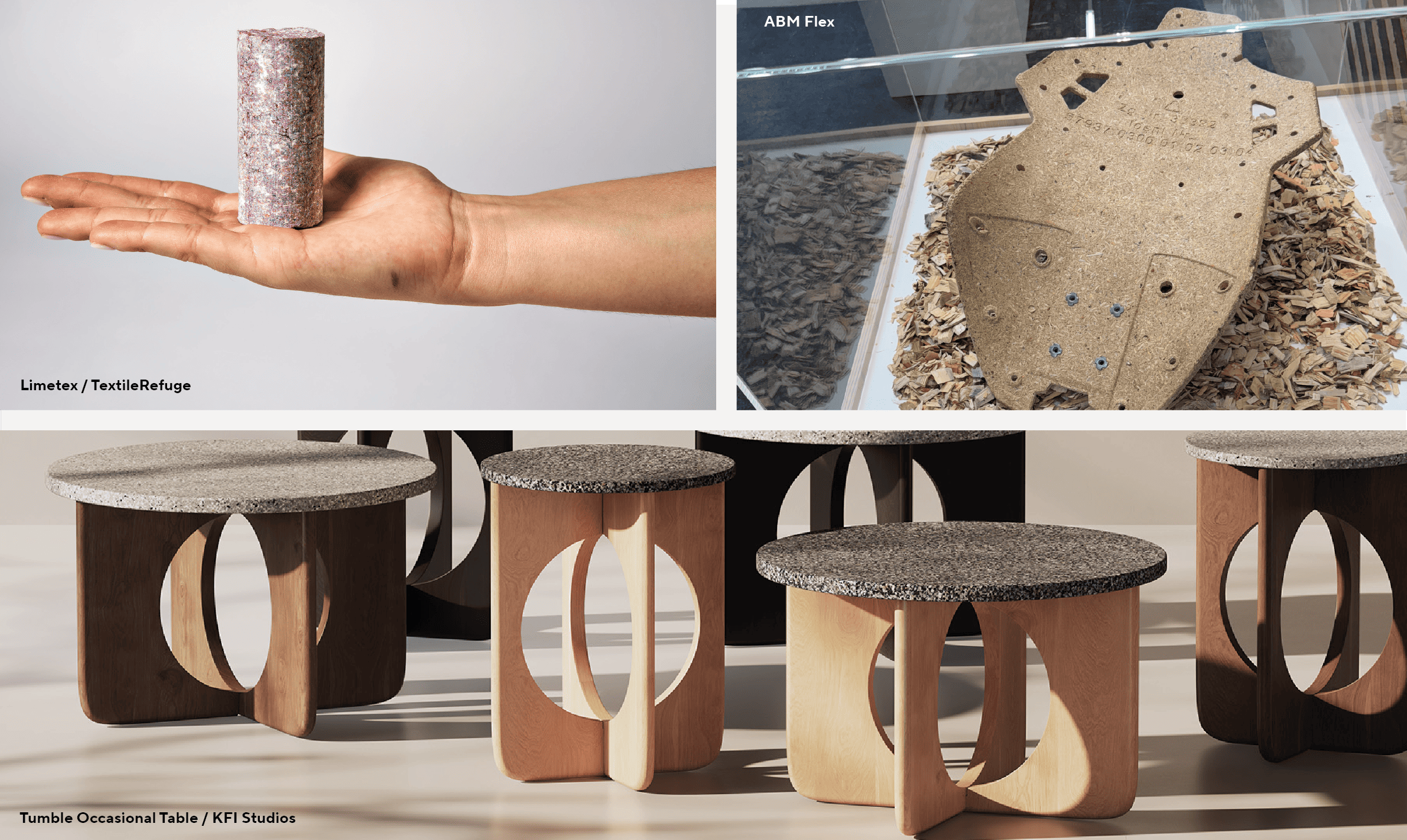
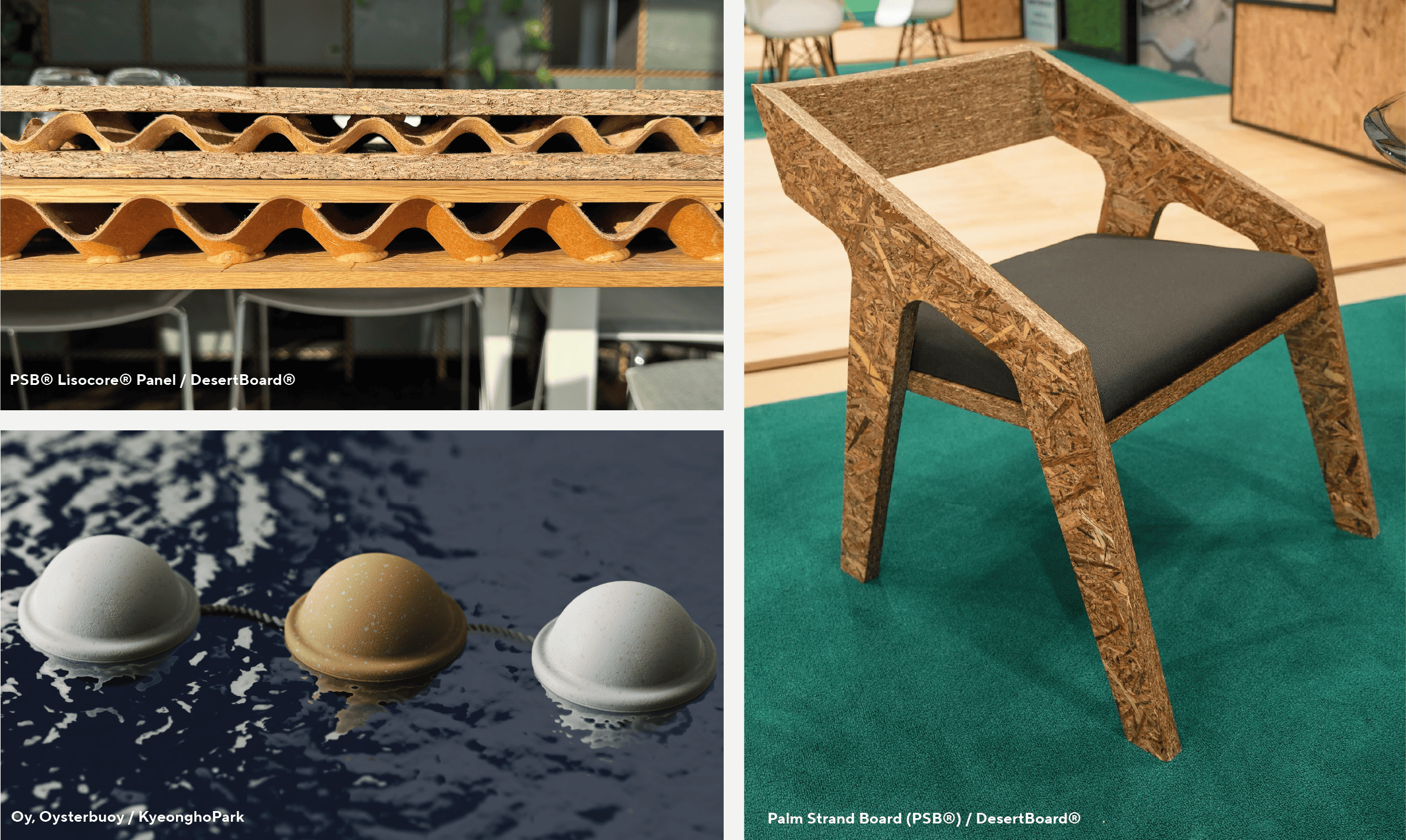
Over the past few months, we’ve been present at some of the most influential global industry events: from CIFF in Guangzhou, China, to Interzum in Cologne, Germany, and Neocon in Chicago, USA, among others. We’ve also closely followed the major furniture design awards, connecting with key suppliers and analyzing real-life cases that anticipate the transitions to come.
But this isn’t just a superficial observation exercise. It’s structured, rigorous, and strategic research with a clear objective: to build a solid knowledge base on responsible, regenerative materials adapted to the European regulatory framework, especially in relation to the new ESPR Directive and the future Digital Product Passport.
Because understanding materials is no longer just a matter of design: it’s a competitive advantage and a regulatory imperative.

For this reason, we have developed our own methodology for analyzing, scouting, and applying materials innovations, targeting sectors such as furniture, contract, and consumer products. This methodology is based on six broad categories of emerging materials, which we have classified according to their sustainable potential and degree of technical maturity.
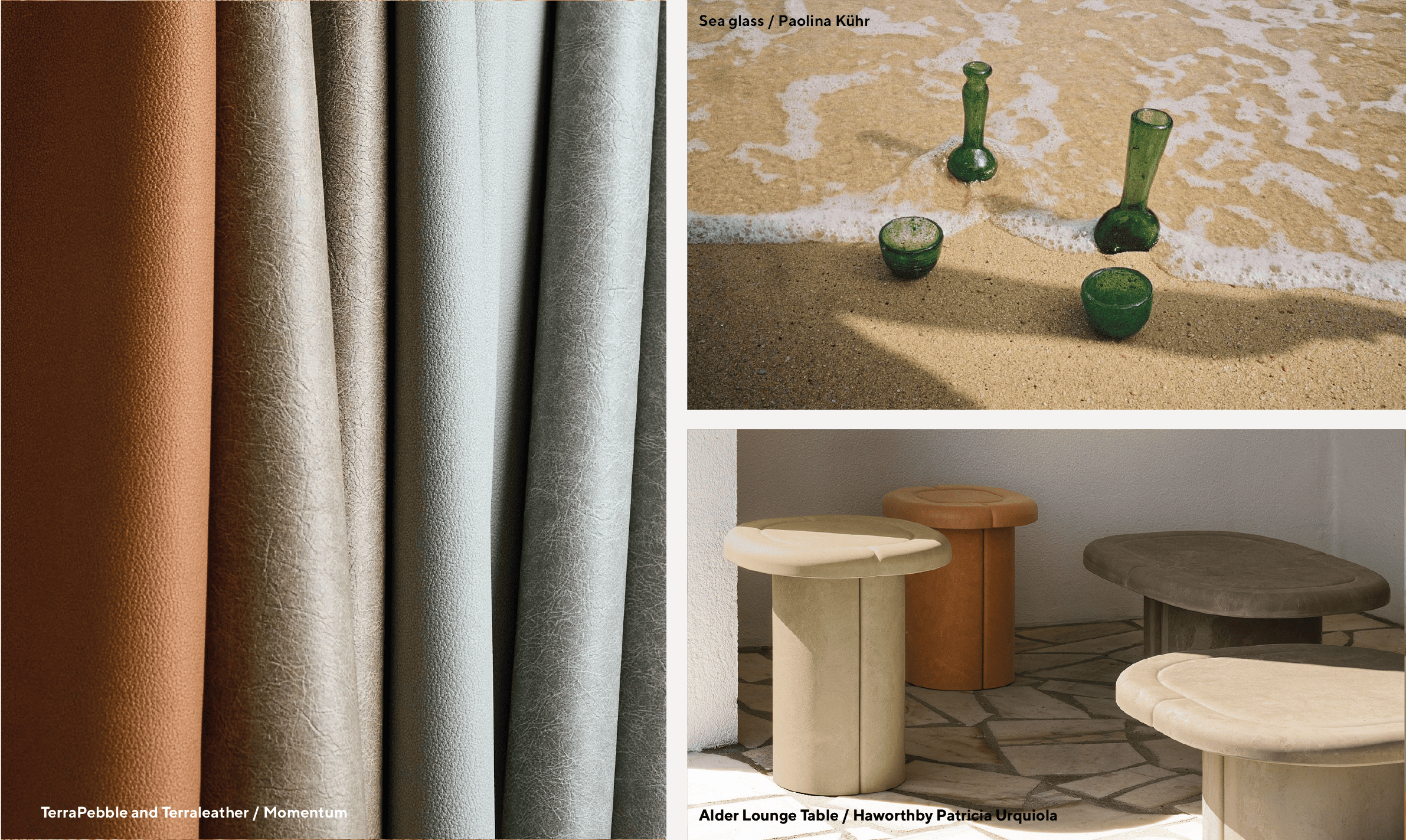
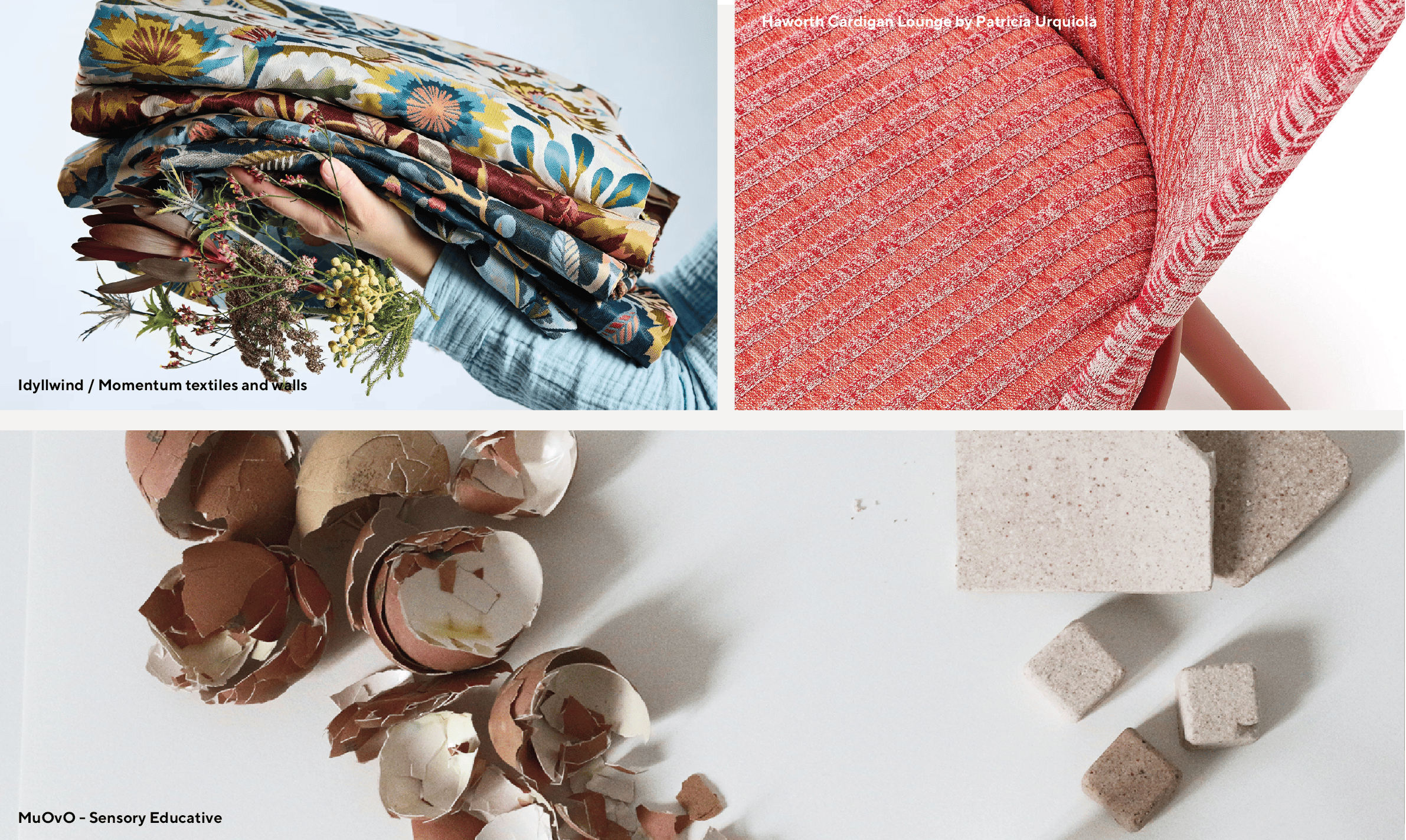
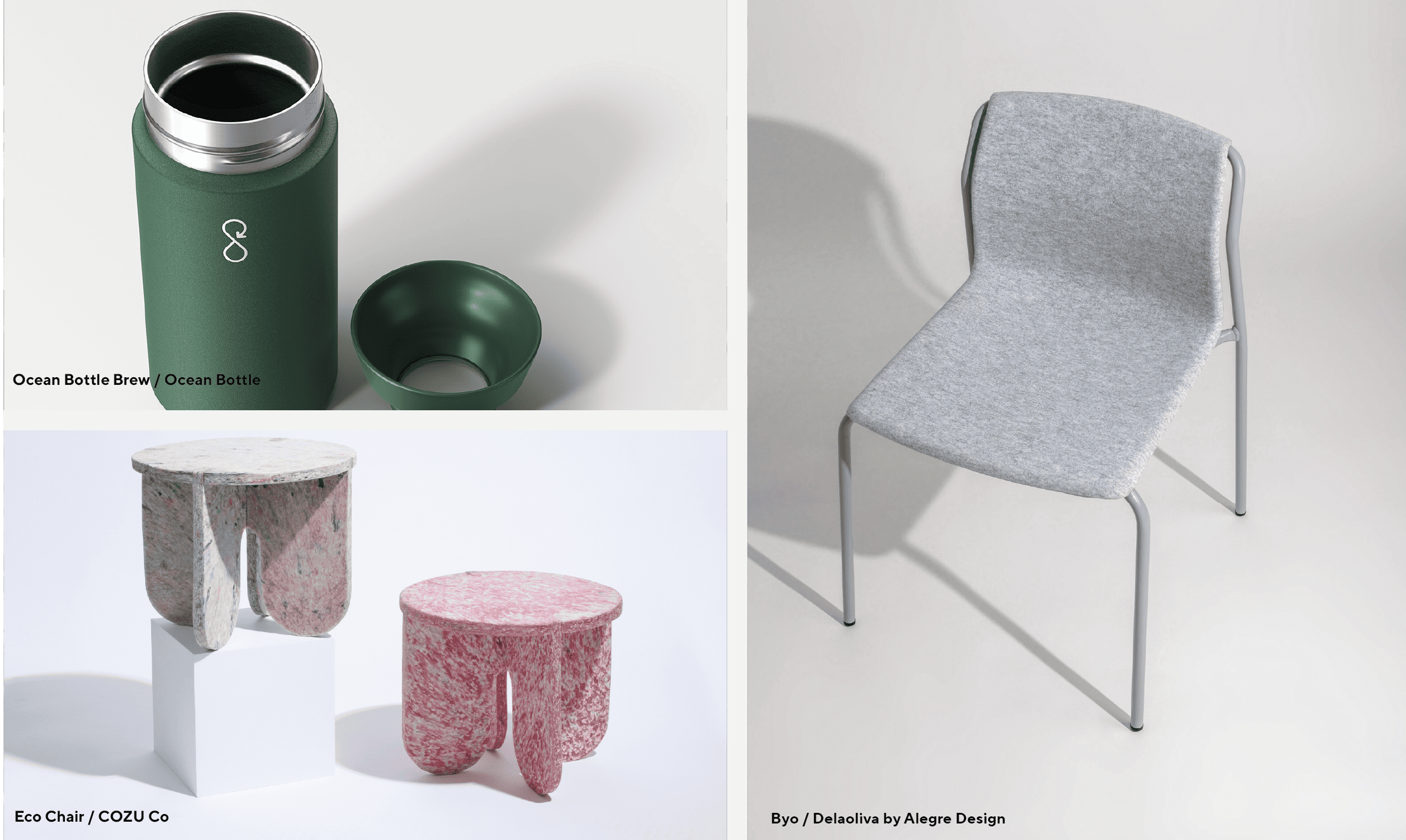
For this reason, we have developed our own methodology for analyzing, scouting, and applying materials innovations, targeting sectors such as furniture, contract, and consumer products. This methodology is based on six broad categories of emerging materials, which we have classified according to their sustainable potential and degree of technical maturity.
Discover the other trends shaping sustainability and how they’re shaping the future of design.